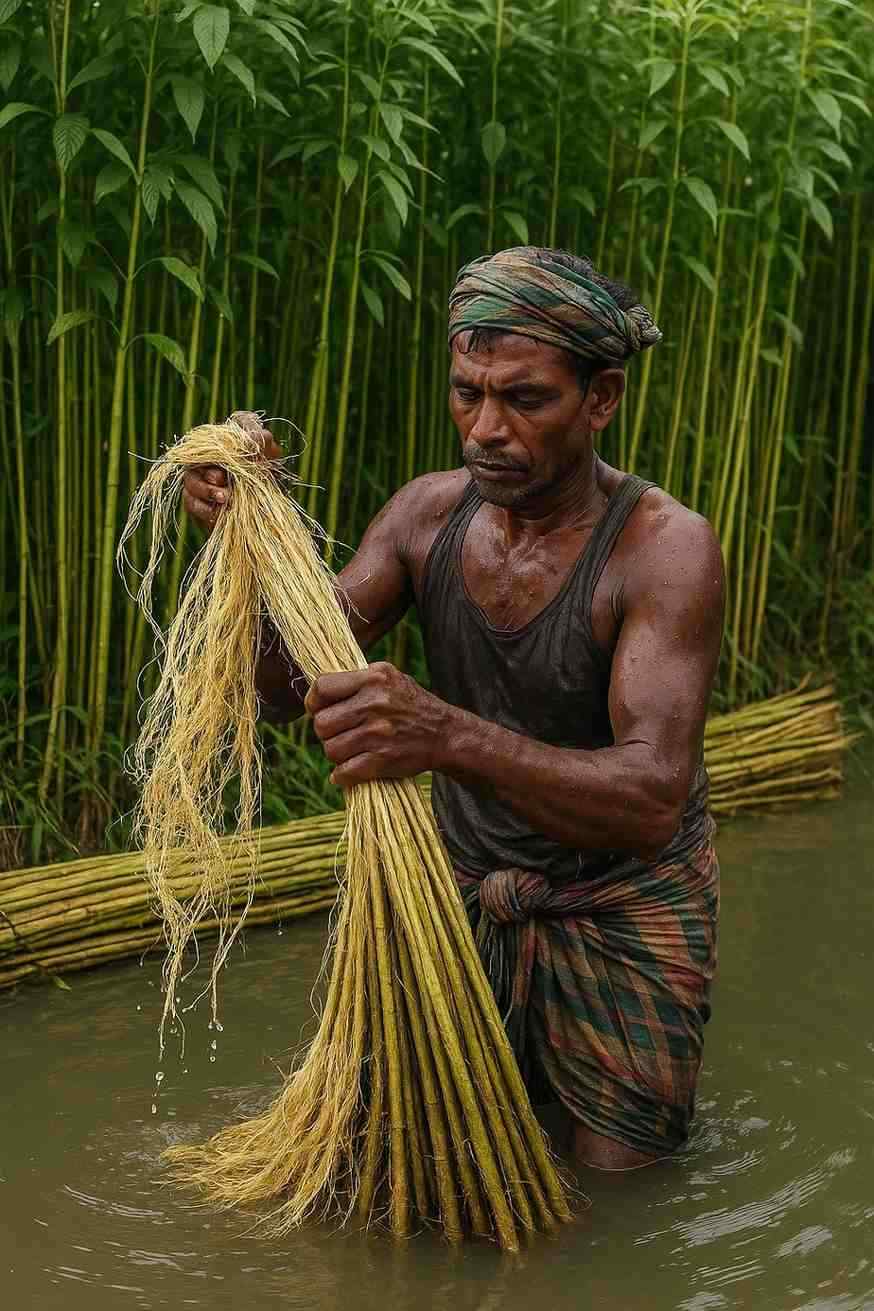
Raw jute fibers are carefully sourced from reliable suppliers. Ensuring high-quality raw materials is essential for the final product’s durability. This step sets the foundation for the entire manufacturing process.
Dyeing
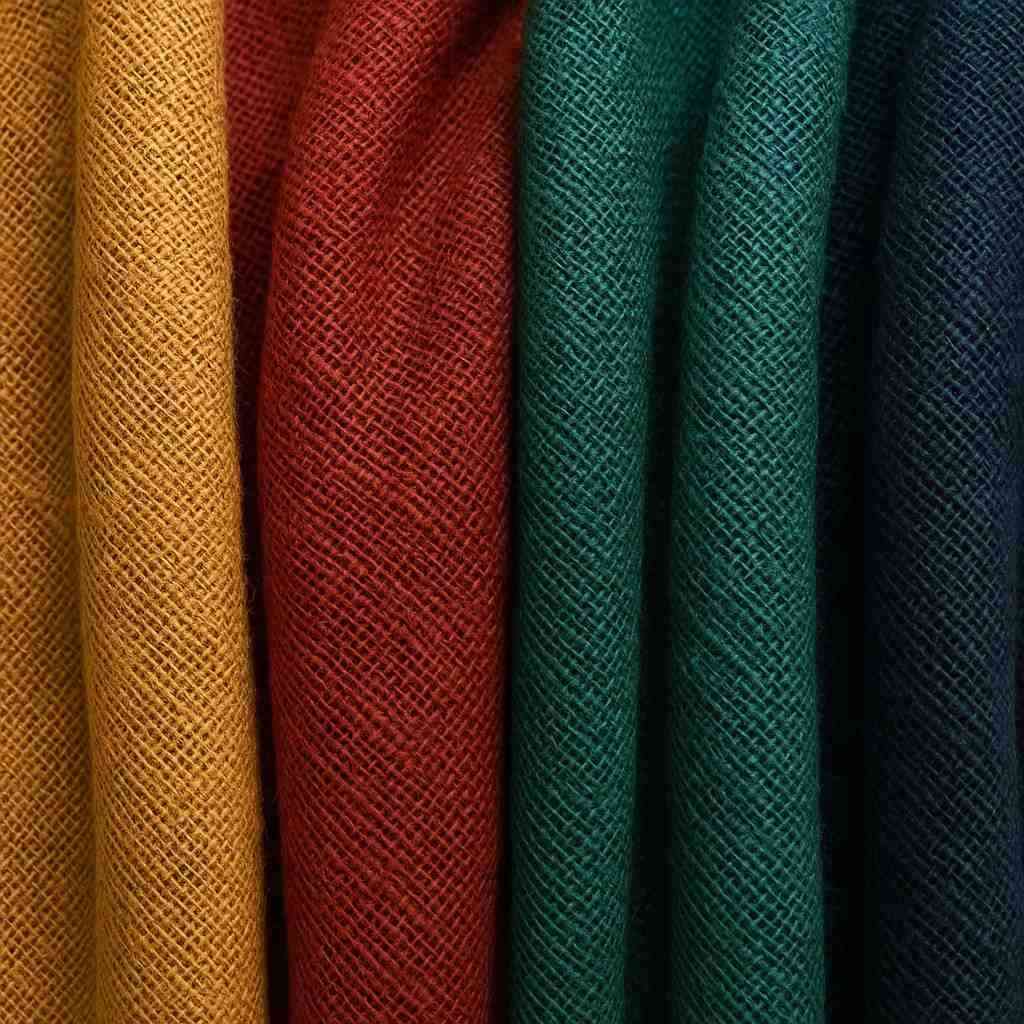
The jute fibers are dyed using eco-friendly dyes to achieve vibrant colors. Proper dyeing ensures uniform color distribution and longevity. It enhances the aesthetic appeal of the finished product.
Lamination
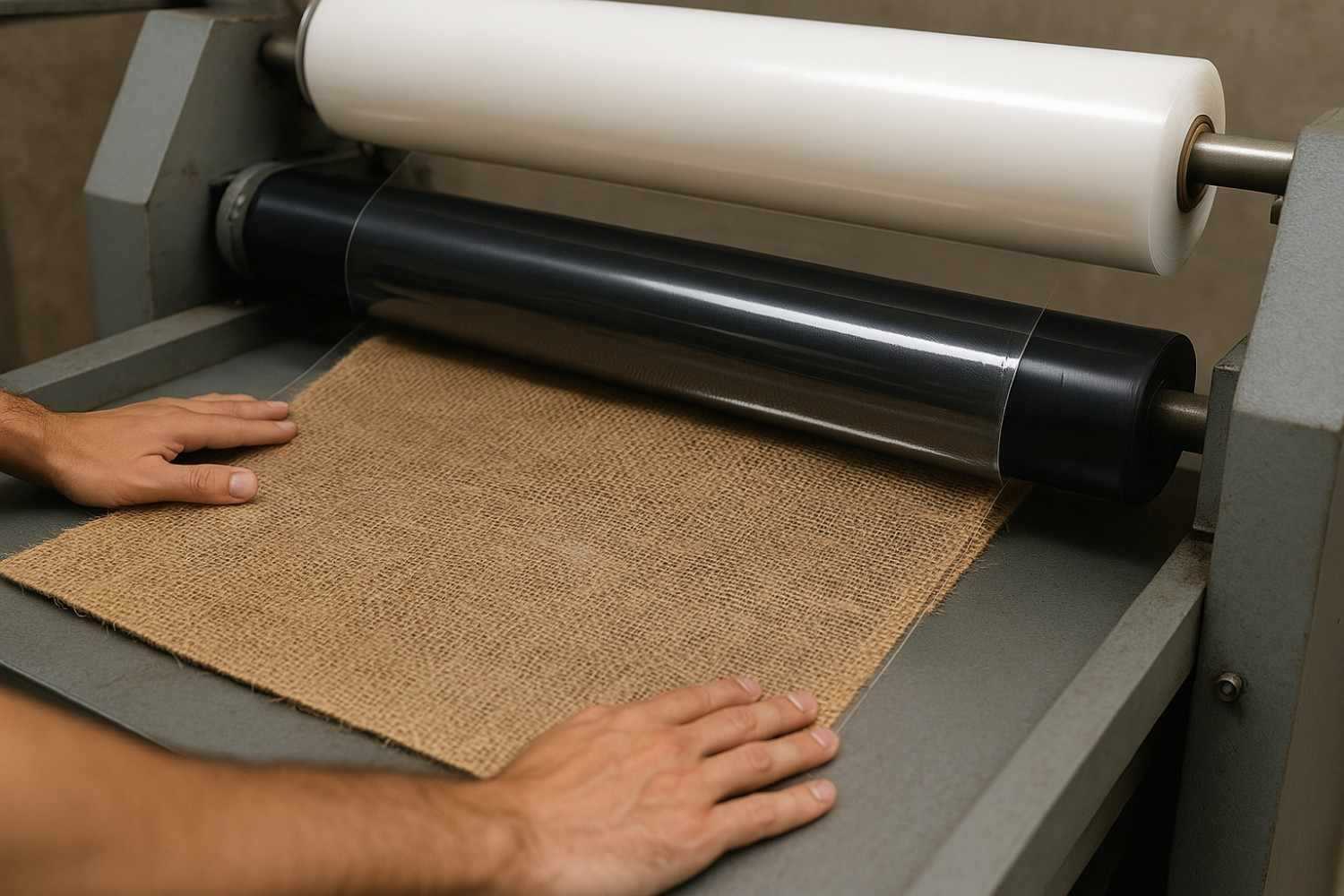
Lamination involves bonding layers of jute with a protective film for added strength and durability. This process improves the product’s resistance to wear and tear. It also provides a smooth surface for printing and finishing.
Digital Printing
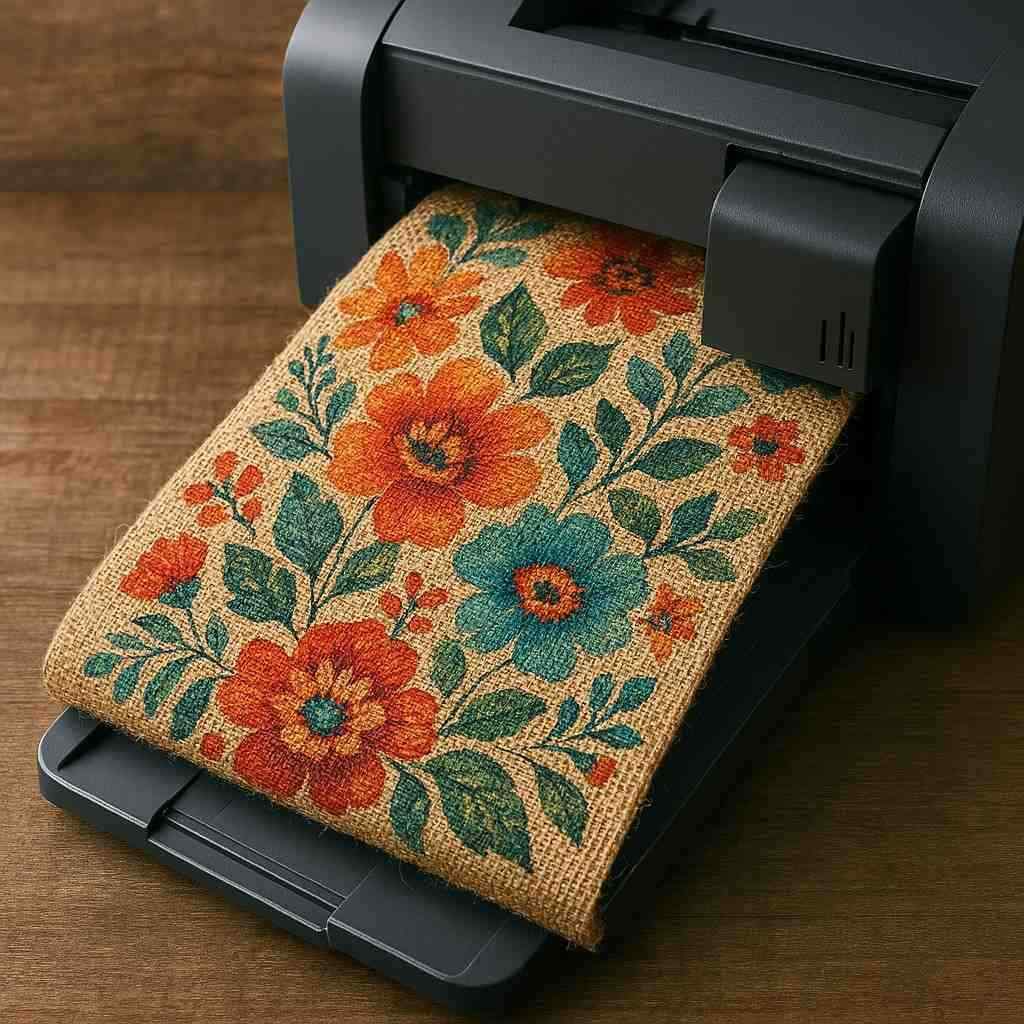
High-quality digital printing is applied to add intricate designs and patterns to the jute. This modern technique allows for detailed and vibrant visuals. It customizes the products to meet specific design requirements.
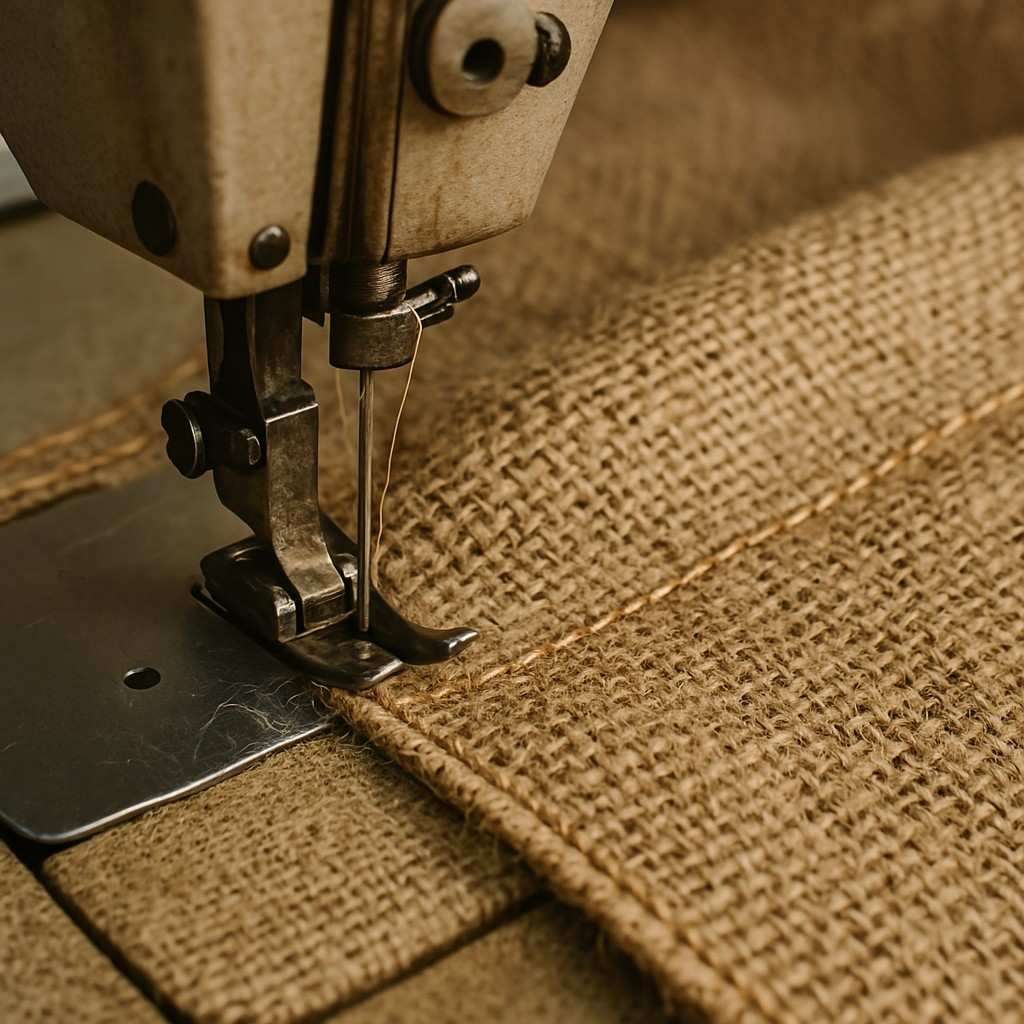
Cutting & Stitching
The laminated jute is precisely cut into desired shapes and stitched together. This step transforms raw fabric into the intended product form. Skilled craftsmanship ensures neat and durable stitching.
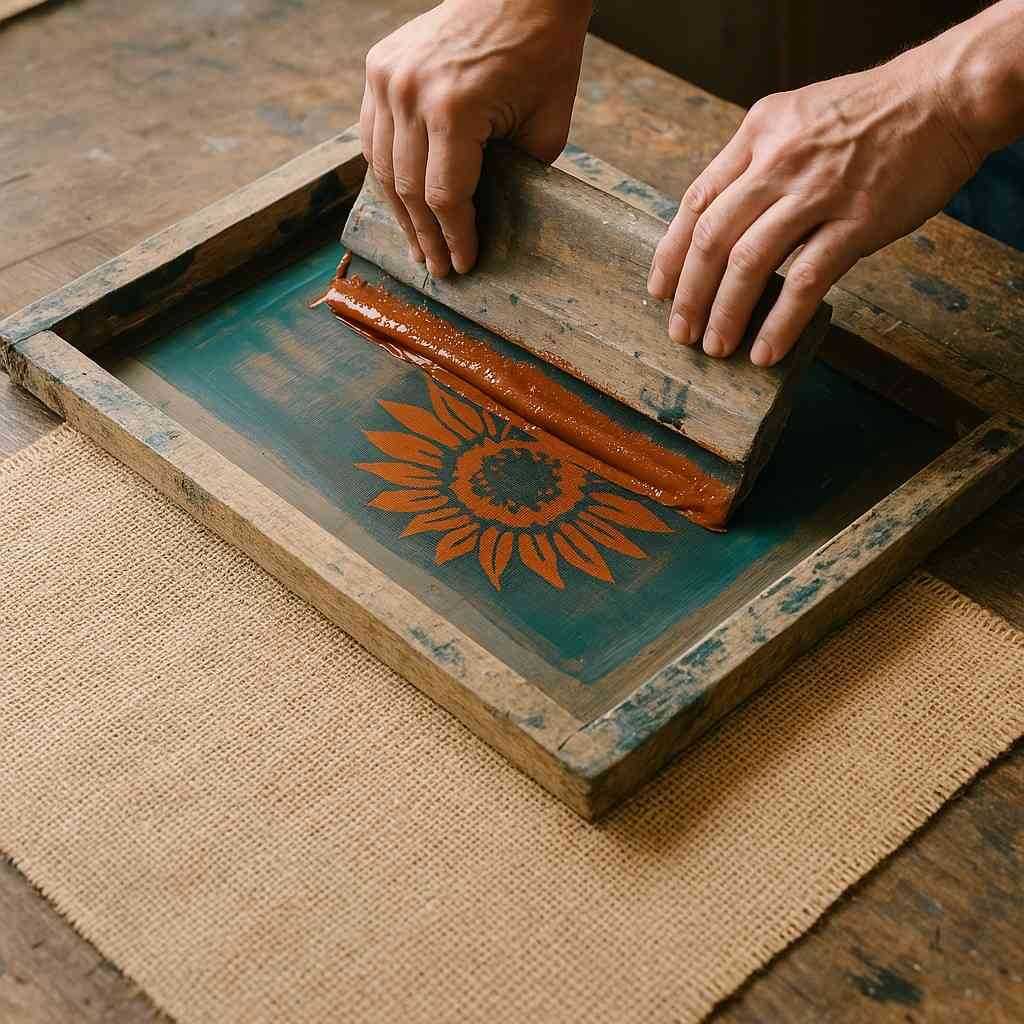
Screen Printing
Screen printing is used to add additional designs or logos on the jute surface. This method provides sharp and long-lasting prints. It enhances branding and aesthetic value.
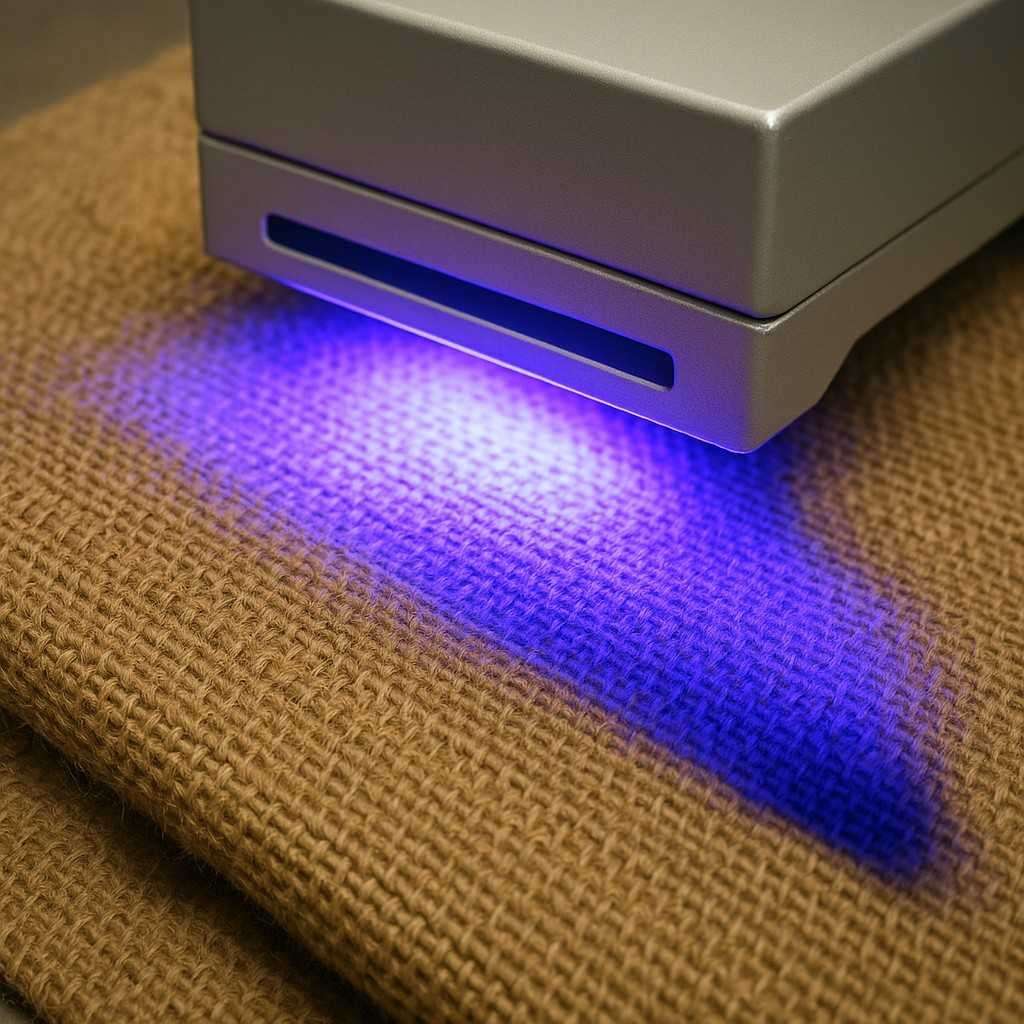
UV Drying
The printed jute undergoes UV drying to fix the colors and designs permanently. UV drying speeds up the process and prevents smudging. It ensures the final product maintains its quality over time.
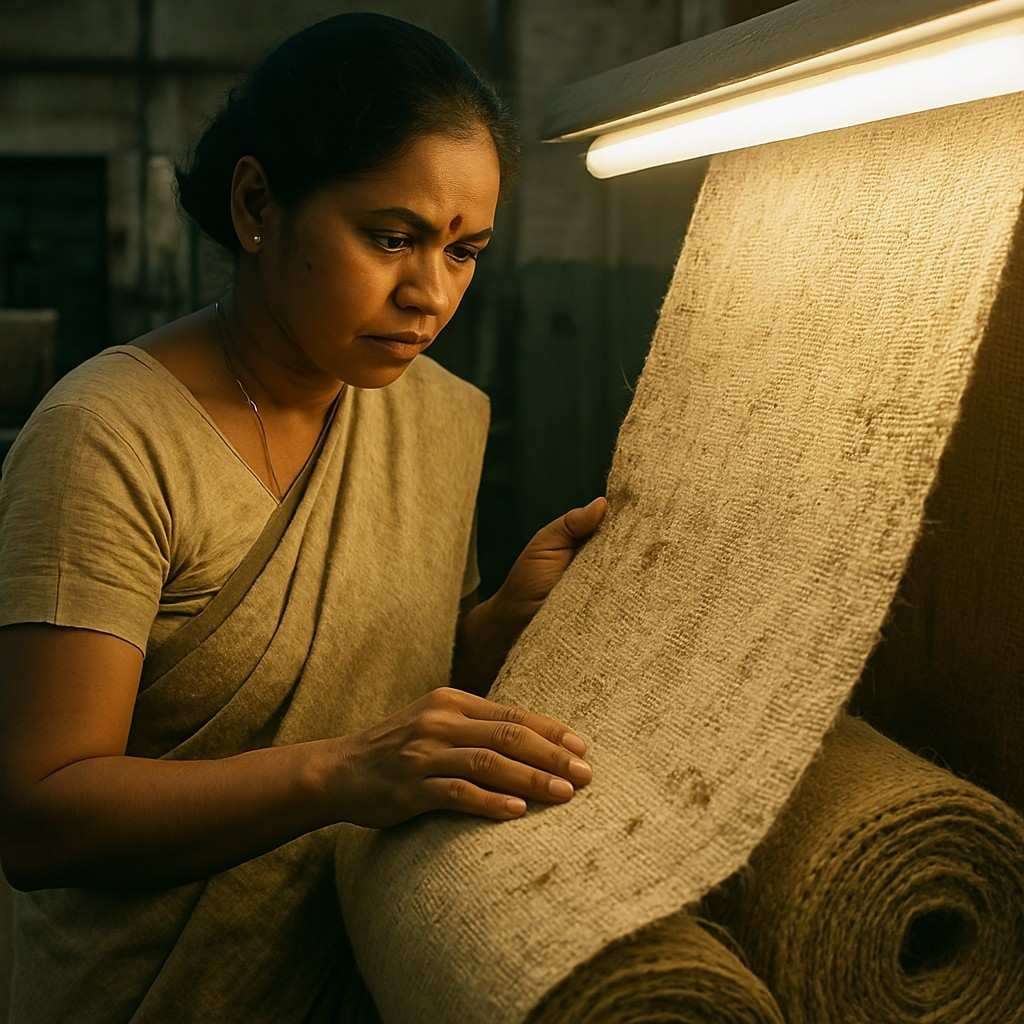
Quality Checking
Each product is thoroughly inspected for defects, color consistency, and durability. Quality checks ensure that only the best products reach the customers. This step maintains the company’s standards.
Packaging & Timely Delivery
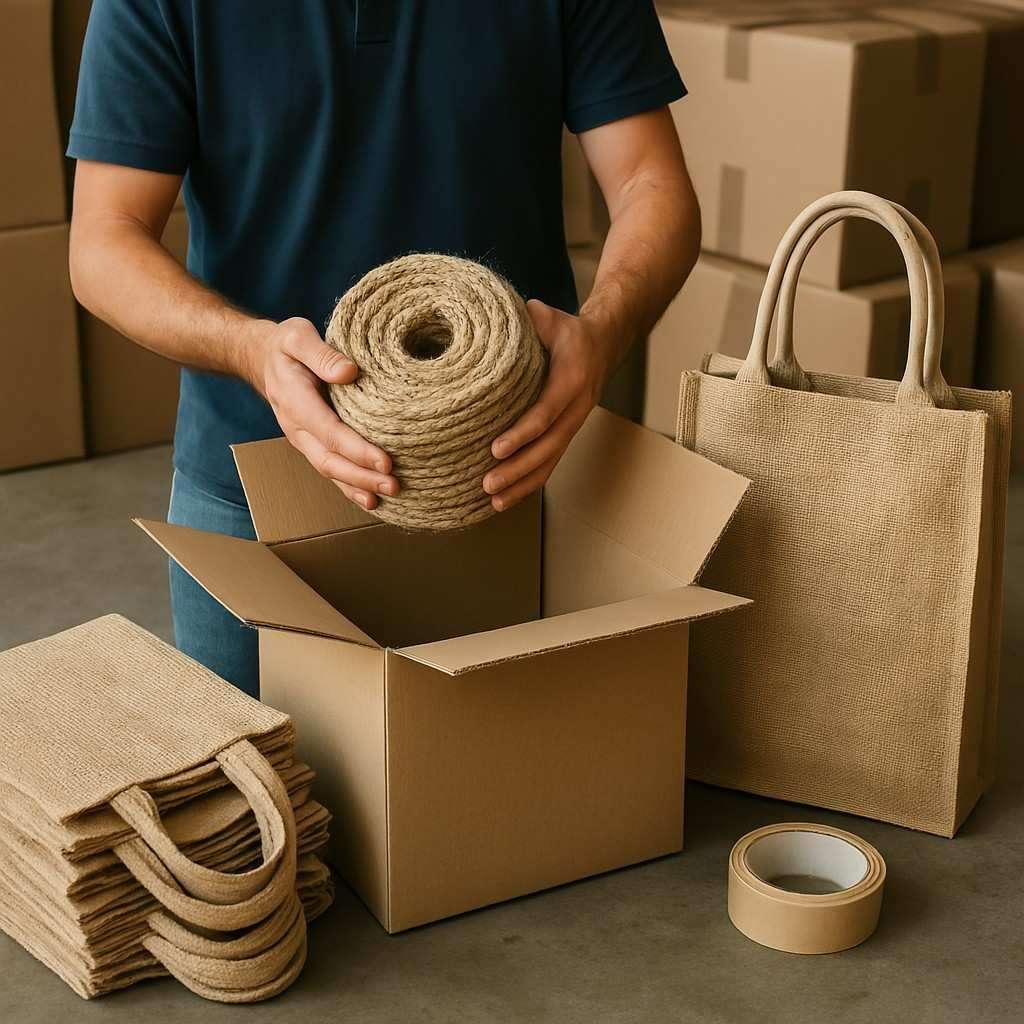
Finished products are carefully packaged to prevent damage during transit. They are then dispatched to ensure timely delivery to clients. Proper packaging and logistics ensure customer satisfaction.